




Share Item
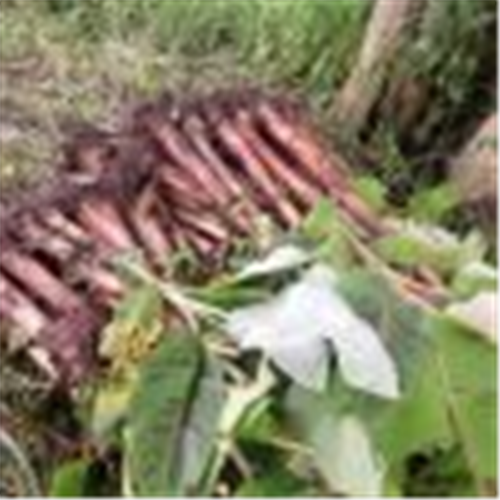
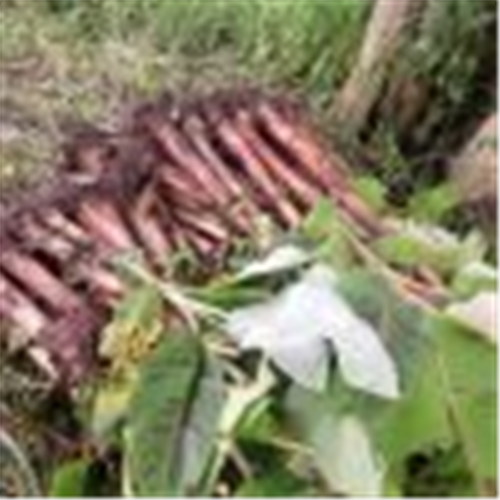
A sucker is a lateral shoot that develops from the rhizome and usually emerges close to the parent plant.
The offered products are high-quality suckers that produce healthy fruits and conversely make cultivation a profitable one for farmers.
Available suckers include banana, plantain, and pineapple suckers.
We sell in large quantities and we will be able to supply as much as you demand.
Sucker
A sucker is a lateral shoot that develops from the rhizome and usually emerges close to the parent plant.
The offered products are high-quality suckers that produce healthy fruits and conversely make cultivation a profitable one for farmers.
Available suckers include banana, plantain, and pineapple suckers.
We sell in large quantities and we will be able to supply as much as you demand.
Sucker
A sucker is a plant growth that develops from the rootstock of a plant that has undergone grafting.
A sucker grows from the base of the root of the plant at a certain distance away from the plant.
This undesirable part of the plant should be removed to prevent it from sucking away the plant’s energy.
Rooted suckers can be dug up and planted elsewhere.
Plants that produce suckers
Blackberries and raspberries boast an impressive list of about 250 species, all of which reproduce via suckers.
Other types of fruit that produce root suckers are apple trees, blueberries, cherry trees, plantain, plums, pears, pineapple, and banana.
In addition, several species of trees such as locust (Robinia) and elms (Ulmus) have aggressive roots that can spread via suckers.
Other trees that reproduce using root suckers are Tree of Heaven (Ailanthus altissima), chaste tree (Vitex agnus-castus), cottonwood poplar (Populus sp.), western redbud (Cercis occidentalis) and tallow tree (Sapium sebiferum).Plantain suckers
Farmers traditionally depend on the natural regeneration process of new plantain suckers to replace their plantain plants.
They often remove all the suckers on a mat, except for the ones selected to replace the mother plant.
However, with the advent of technology and other sophisticated techniques, planting and harvesting plantain suckers require fewer inputs and can be planted immediately on the field.
Generally, plantain requires 10 to 12 months from planting to harvest.
Considerations before planting sucker
If you are planting a larger number of suckers then it makes sense to think carefully and plan the layout of the new field. To do this, you have to take into account: planting density, number of trees, shade trees, the slope of the field, and windbreaks.
Planting density refers to the number of trees you plant in a given area.
The planting density is influenced by:
Size of the mature suckers (larger trees means lower planting density).
Amount of maintenance you intend to do (higher planting density means higher maintenance, more pruning in particular).
The soil fertility and if fertilizer will be applied every year.
Things needed for sucker planting
Narrow digging bar
Pruning shears or sharp scissors
Shovel
Compost
Container (optional)
Potting mix (optional)
Mulch
Fertilizer
Warnings!!!
Do not plant suckers that are affected by any type of disease or pest problem.A sucker is a plant growth that develops from the rootstock of a plant that has undergone grafting.
A sucker grows from the base of the root of the plant at a certain distance away from the plant.
This undesirable part of the plant should be removed to prevent it from sucking away the plant’s energy.
Rooted suckers can be dug up and planted elsewhere.
Plants that produce suckers
Blackberries and raspberries boast an impressive list of about 250 species, all of which reproduce via suckers.
Other types of fruit that produce root suckers are apple trees, blueberries, cherry trees, plantain, plums, pears, pineapple, and banana.
In addition, several species of trees such as locust (Robinia) and elms (Ulmus) have aggressive roots that can spread via suckers.
Other trees that reproduce using root suckers are Tree of Heaven (Ailanthus altissima), chaste tree (Vitex agnus-castus), cottonwood poplar (Populus sp.), western redbud (Cercis occidentalis) and tallow tree (Sapium sebiferum).
.jpg)
.jpg)
.jpg)
.jpg)
.jpg)
.jpg)
.png)
.jpg)
-20g(1).jpg)
.jpg)
.jpg)
.jpg)


